

Vacuum Sealed Packaging for Non-Food Items
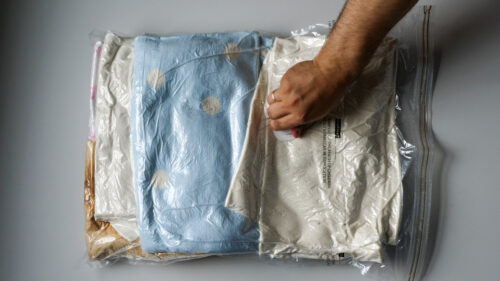
Vacuum sealed packaging is no longer limited to food products. Across eCommerce, pharmaceuticals, apparel, and industrial manufacturing, vacuum sealed packaging for non-food items is becoming increasingly popular as companies look to reduce shipping costs, protect products, and improve storage efficiency. Even major online marketplaces like Amazon now rely heavily on vacuum sealed packaging to ship soft goods, medical products and sensitive components more efficiently.
As supply chains become more cost-conscious and sustainability-driven, vacuum sealing has emerged as a practical solution for packaging a wide range of non-food products.
What Is Vacuum Sealed Packaging?
Vacuum sealed packaging works by removing nearly all the air from a package and creating an airtight barrier around the product. This process significantly reduces exposure to oxygen and humidity; two of the most common causes of product degradation.
Industrial vacuum sealed packaging systems typically use:
- A vacuum sealer packaging machine (chamber or external style)
- Durable, puncture-resistant vacuum bags or films
- Controlled compression settings based on product type
Unlike food-focused systems, many non-food vacuum package sealer machines are designed to handle larger, softer or irregularly shaped items without damage.
Key Benefits of Vacuum Sealed Packaging for Non-Food Products
Protection
Vacuum sealed packaging creates a secure barrier against moisture, dust, dirt, oxidation and pests, helping safeguard products throughout storage and transit. This level of protection is especially critical for pharmaceuticals, electronics, metal components and goods intended for long-term storage.
Preservation
By removing oxygen from the package, vacuum sealing helps products maintain their quality and appearance over time. From medical supplies to apparel and textiles, sensitive items benefit from a stable, contamination-free environment.
Cost-Effective Performance
Improved protection and preservation reduce product damage and returns, while smaller, more efficient packages help lower freight costs. Together, these advantages make vacuum sealed packaging a cost-effective solution for manufacturers and high-volume shippers.
ROI of Space Saving
One of the most measurable returns on investment from vacuum sealed packaging comes from reducing package volume and dimensional (DIM) weight charges. FedEx and UPS bill shipments based on the greater of actual weight or dimensional weight, meaning excess air inside a package can significantly increase shipping costs.
As of August 18, 2025, both carriers round every package dimension up to the nearest whole inch, increasing cubic volume and pushing shipments into higher pricing tiers. By removing air and compressing products, vacuum sealed packaging reduces package height and overall size. Switching from a corrugated box to a vacuum-sealed mailer can lower dimensional weight for soft goods and other compressible items, resulting in consistent freight savings.
For high-volume shippers, these space reductions translate directly into ROI through lower per-package shipping costs and reduced warehouse space requirements, making vacuum packaging a practical strategy for controlling logistics costs.
Common Non-Food Applications for Vacuum Sealed Packaging
Vacuum sealed packaging is widely used across non-food markets, including:
- Apparel and Textiles: Sneakers, clothing, bedding, pillows, towels, and soft goods are commonly vacuum compressed to reduce shipping volume.
- Pharmaceuticals and Medical Supplies: Vacuum sealing helps maintain effectiveness by protecting products from humidity and contamination.
- Industrial Components: Machine parts, metal components, and tools are protected against oxidation, corrosion, dust, and dirt.
- eCommerce Fulfillment: Businesses use vacuum sealed packaging to reduce dimensional weight charges and improve packaging consistency for platforms like Amazon.
Specialized manufacturers now offer vacuum sealer packaging machines designed specifically for clothing, bedding, and other compressible non-food items, which are distinct from traditional food vacuum sealers.
How Vacuum Sealed Packaging Works
The vacuum sealing process for non-food items generally follows three steps:
1. Air Removal: A vacuum package sealer removes nearly all air from the package.
2. Sealing: The package is sealed to create an airtight barrier.
3. Compression (if applicable): Soft goods are compressed evenly to reduce volume without damaging the product.
Depending on the application, businesses may use chamber-style systems or external vacuum sealers with adjustable settings for different materials.
Choosing the Right Machine
Selecting the right vacuum sealed packaging solution depends on:
- Product type and material
- Required compression level
- Production volume
- Bag size and durability needs
- Manual vs. automated operation
At TPC Packaging Solutions, we help companies evaluate vacuum sealed packaging options that align with their operational goals, whether that means reducing freight costs or improving product protection.
Vacuum Sealed Packaging Beyond Food
As logistics costs rise and product protection becomes more critical, vacuum sealed packaging for non-food items continues to gain traction. From apparel and pharmaceuticals to industrial components and eCommerce fulfillment, vacuum packaging delivers measurable efficiency and cost savings across industries.
If you are exploring vacuum sealed packaging solutions for non-food products, TPC Packaging Solutions can help you identify the right equipment, materials and automation strategy to support your operation.
Contact us to learn more.