


Biodegradable Plastic Packaging
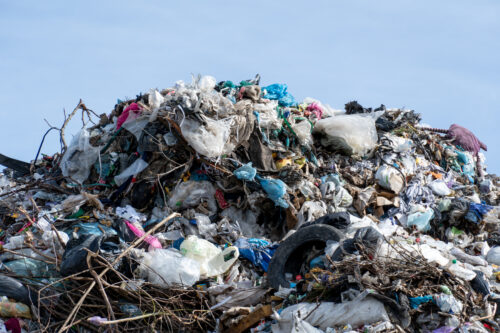
Environmental responsibility has moved from a “nice‑to‑have” to an operational requirement. Customers and regulators are increasingly focused on how packaging materials behave after use, not just during transit.
For many applications, biodegradable plastic packaging products offer a practical path forward. These materials are engineered to maintain strength and consistency while enabling accelerated breakdown once they reach end‑of‑life environments such as landfills.
Biodegradable plastics represent one approach within a broader packaging sustainability strategy that also includes material reduction, recyclability and responsible sourcing. Rather than relying on ideal disposal scenarios, biodegradable plastics are designed for the reality of modern waste streams.
Key Terms for Plastic Packaging
Misunderstanding disposal terminology can lead to unintended environmental outcomes. Biodegradable plastics address a different challenge than compostable or recyclable materials.
Biodegradable Plastics
Biodegradable materials are designed to break down through microbial activity over time. The rate and effectiveness of degradation depend on environmental conditions such as oxygen availability, temperature, and microbial presence. Many biodegradable plastic films are specifically engineered to degrade in anaerobic landfill conditions, where most flexible packaging ultimately ends up.
Compostable Materials
Compostable packaging must break down into non‑toxic components that safely enrich soil. Most compostable plastics require industrial composting facilities, which are limited in availability and often do not accept films, tapes or stretch wrap. Compostable does not mean the material will degrade in landfills or home compost environments.
Recyclable Plastics
Recyclable materials can be reprocessed into new products, but only when collection and processing infrastructure exists. Flexible films are often technically recyclable yet rarely recovered due to limited access and contamination concerns.
Oxo‑Degradable Plastics
Oxo‑degradable plastics fragment when exposed to oxygen and UV light. These materials do not fully biodegrade and can introduce microplastics into the environment, making them an increasingly discouraged option.
For organizations evaluating multiple material paths, it’s helpful to understand how biodegradable options fit alongside other sustainable packaging approaches.
BioNatur® Biodegradable Film
BioNatur® biodegradable films are primarily conventional polyethylene with a small percentage (approximately 1%) of an organic polymer additive. Microorganisms consume this additive, initiating molecular chain breakdown within the plastic structure.
These films retain the durability, shelf life, and processing characteristics of standard polyethylene and can be recycled alongside conventional plastics. In landfill conditions, BioNatur films break down in an average of 1,697 days, compared to the centuries‑long persistence of traditional plastics.
Because the additive strengthens the polymer matrix, BioNatur films can often achieve required performance using less material, supporting both material reduction and durability goals.
Designed for industrial use, BioNatur films are compatible with automated packaging systems, offer excellent printability and remain cost‑competitive, without the risk of premature degradation during storage or use.
Importantly, this technology acknowledges a critical reality: most flexible plastic packaging is not composted or recycled. Biodegradable polyethylene solutions are increasingly being adopted by global logistics and e‑commerce organizations as part of broader environmental initiatives.
Sigma VANISH™ Stretch Film with Eclipse™
For palletized loads, TPC Packaging Solutions offers Sigma VANISH™ Cast Stretch Film, powered by Eclipse™ Technology for accelerated bio‑assimilation.
Unlike conventional stretch films that can persist for centuries, Sigma VANISH is engineered to fully bio‑assimilate in approximately two years after disposal. Once its service life ends, naturally occurring microorganisms consume the material, leaving no microplastics or toxic residue.
Sigma VANISH delivers reliable load containment during use and integrates seamlessly into standard hand and machine stretch wrapping operations. This makes it a practical solution for organizations seeking biodegradable pallet wrap without sacrificing performance or productivity.
Complementary Packaging Materials from TPC
While biodegradable plastics address end‑of‑life concerns for flexible films, TPC Packaging Solutions also supports material efficiency and recovery through paper‑based packaging options. These include recycled paper mailers with honeycomb cushioning, paper fragile wrap, decorative and protective void fill, and innovative padding materials made from grass fibers or vegetable starch.
Many of these products are sourced from responsibly managed supply chains and carry certifications such as FSC®, SFI®, PEFC™, and CMA.
Making Biodegradable Packaging Decisions with Data
Selecting biodegradable materials alone does not guarantee meaningful environmental improvement. Packaging performance, material usage, and operational efficiency must be evaluated together.
TPC Packaging Solutions applies data‑driven tools such as the Paragon Client Analysis Tool to assess current packaging systems and identify opportunities for optimization. This analysis considers equipment settings, material usage, throughput, load characteristics, and reduction potential, enabling measurable improvements without disrupting operations.
Move Forward with Biodegradable Packaging
Biodegradable plastics are most effective when they align with real disposal conditions, operational demands, and performance requirements. TPC Packaging Solutions offers engineered biodegradable films, stretch wraps and supporting materials to help organizations reduce long‑term environmental impact while maintaining efficiency.
If you’re still defining your sustainability goals, understanding the full range of material strategies can help clarify which options make the most sense for your operation.
Ready to evaluate biodegradable packaging options tailored to your operation? Contact TPC Packaging Solutions to speak with a packaging expert and explore solutions that fit your products, processes, and sustainability goals.